Engineering Resilient Care:
Reinventing Military Medicine for the Digital AgeDefence Medical Services (DMS) sit at a critical junction between operational capability, human performance, and healthcare innovation. Historically designed to preserve fighting strength and manage battlefield trauma, defence medical systems are now evolving into complex, digitally enabled ecosystems with relevance far beyond the armed forces. Over the next 10 to 15 years, advances in medical technology, data integration, autonomy, and regulation will fundamentally reshape how defence medical services operate, with profound implications for both military and civilian healthcare systems.
This transformation is being driven by the convergence of defence research and development with commercial medical technology, accelerated by digitalisation, and shaped by new ethical and regulatory frameworks. The result is a future DMS model that is predictive rather than reactive, distributed rather than centralised, and increasingly dual-use in nature.
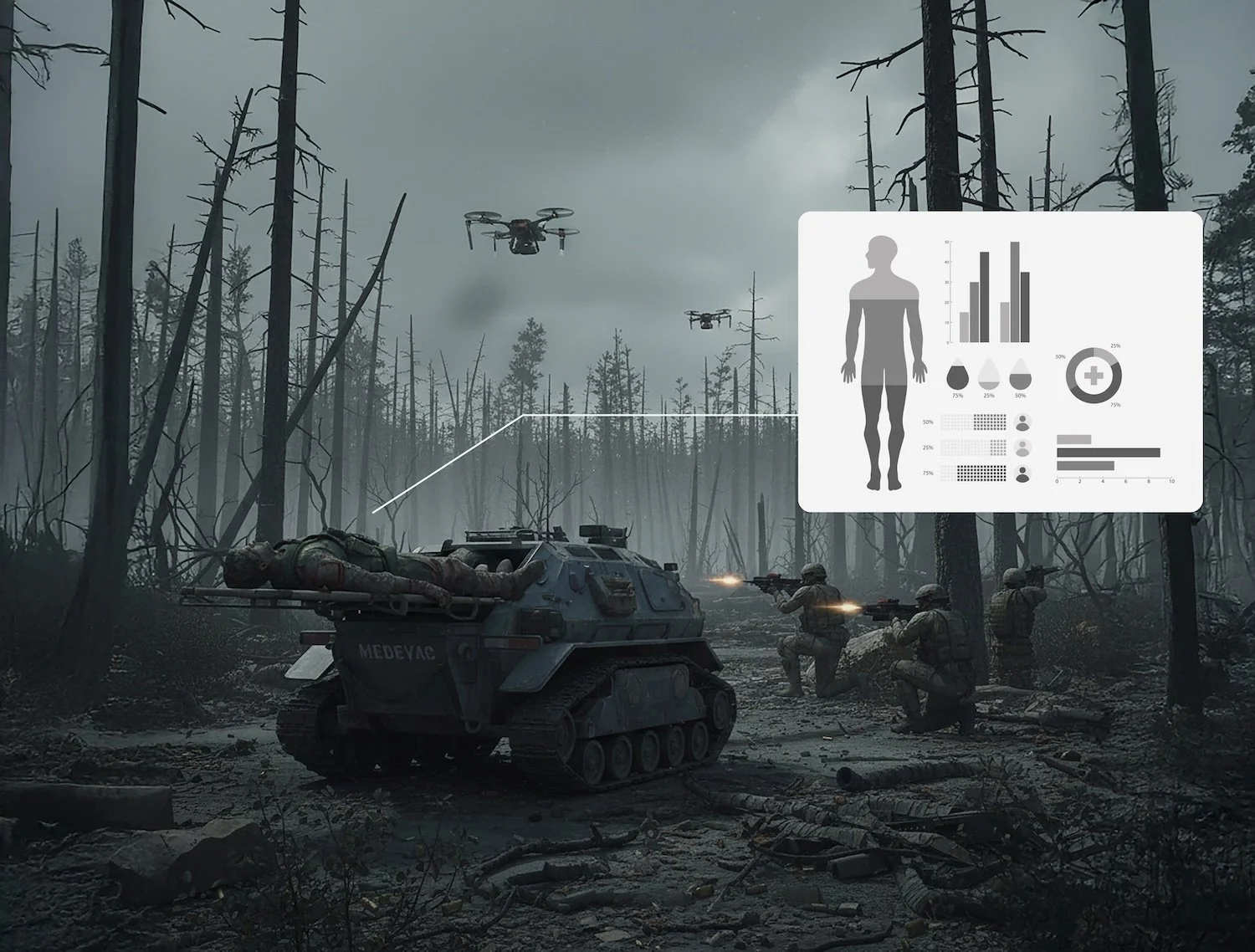
Convergence of Defence R&D and Medical TechnologyDefence and medical technology have long shared common ground, particularly in areas such as trauma care, diagnostics, and surgical innovation. What is changing is the scale and intentionality of this relationship. Defence research environments, characterised by extreme operational constraints, have become proving grounds for medical technologies that later transition into civilian healthcare markets (1).
Military requirements for portability, resilience, autonomy, and rapid deployment align closely with emerging healthcare needs in civilian settings, including emergency response, rural medicine, and disaster relief. As a result, a distinct defence medtech market is emerging, one that blends defence procurement models with commercial innovation cycles (3). This dual-use dynamic is increasingly attractive to investors and policymakers, as technologies developed for defence applications demonstrate clear scalability into global health systems.
Over the next decade, this convergence is expected to intensify. Defence medical services will increasingly act as early adopters of advanced technologies, while civilian healthcare systems benefit from innovations refined under the most demanding conditions.
Digital Transformation as the Foundation of Future DMSDigitisation represents the structural backbone of future defence medical services. The move away from fragmented, paper-based records toward unified digital health systems enables continuity of care across deployments, services, and national boundaries. Integrated electronic health records also create the data infrastructure required for advanced analytics, artificial intelligence, and population-level health monitoring.
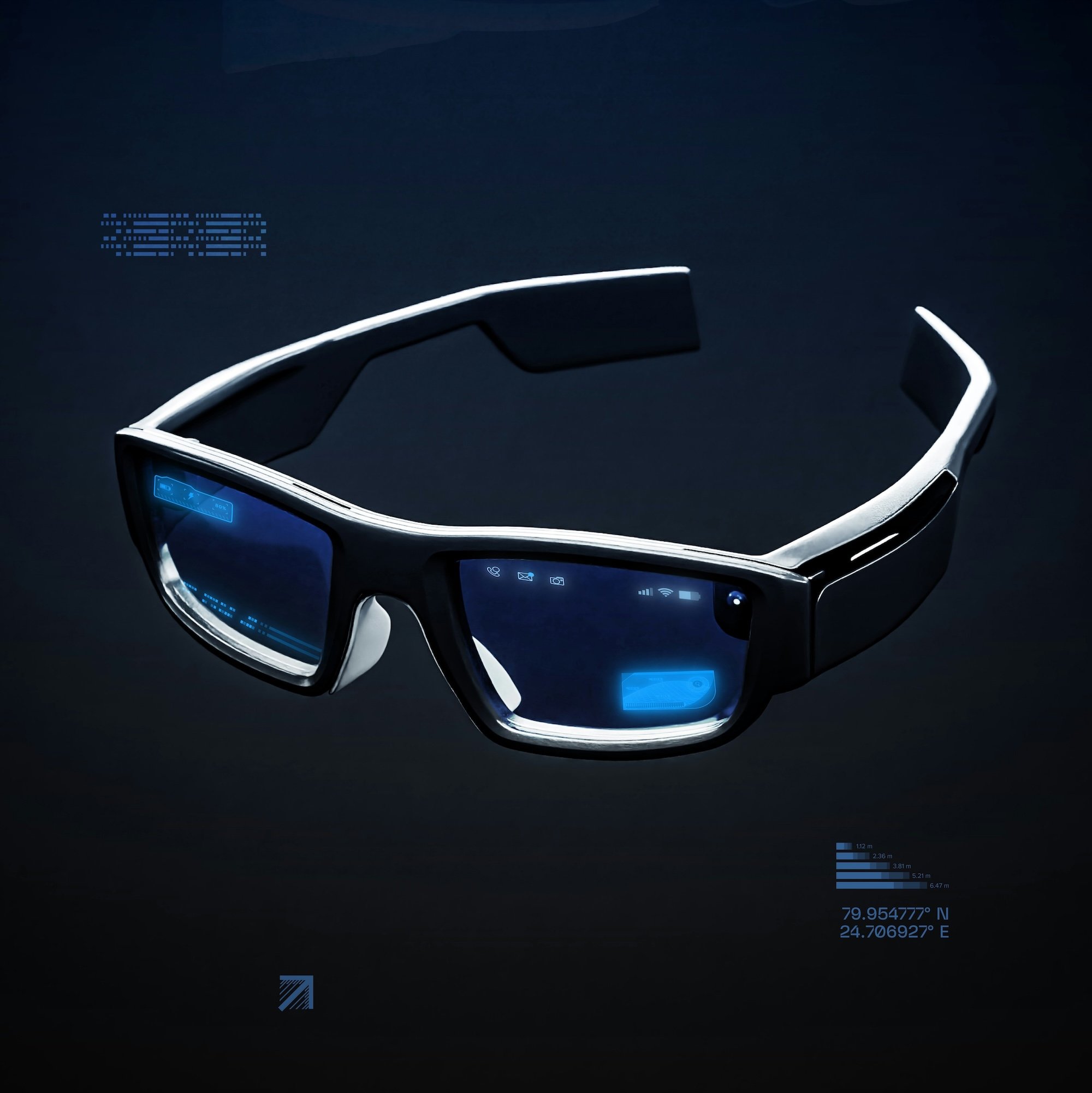
Digital defence healthcare systems are being designed to function in contested and disconnected environments, ensuring resilience under operational stress. These systems not only improve clinical decision-making at the point of care but also enable strategic planning, predictive health assessments, and long-term monitoring of force readiness.
By the early 2030s, defence medical services are likely to operate fully integrated digital health ecosystems that connect deployed care, rehabilitation, mental health services, and civilian healthcare interfaces. This integration will be essential for managing increasingly complex health challenges, including long-term musculoskeletal injuries, psychological trauma, and chronic conditions associated with modern military service (5).
Artificial Intelligence and Data-Driven MedicineArtificial intelligence is poised to become one of the most transformative forces in defence medicine. In the near term, AI is being applied to diagnostic imaging, clinical decision support, and administrative optimisation. In operational environments, AI has the potential to assist medics with triage, treatment prioritisation, and real-time risk assessment based on incomplete or degraded data (10).
Looking further ahead, predictive models may allow defence medical services to identify health risks before they manifest clinically. Continuous data streams from wearable sensors, combined with longitudinal health records, could support early intervention strategies that enhance both individual wellbeing and force readiness.
However, the deployment of AI in defence medical contexts raises significant ethical and governance challenges. Issues of accountability, bias, explainability, and data security are particularly acute in military environments where decisions may be made under extreme pressure. Addressing these challenges will require robust frameworks that balance operational effectiveness with medical ethics and patient autonomy (9).
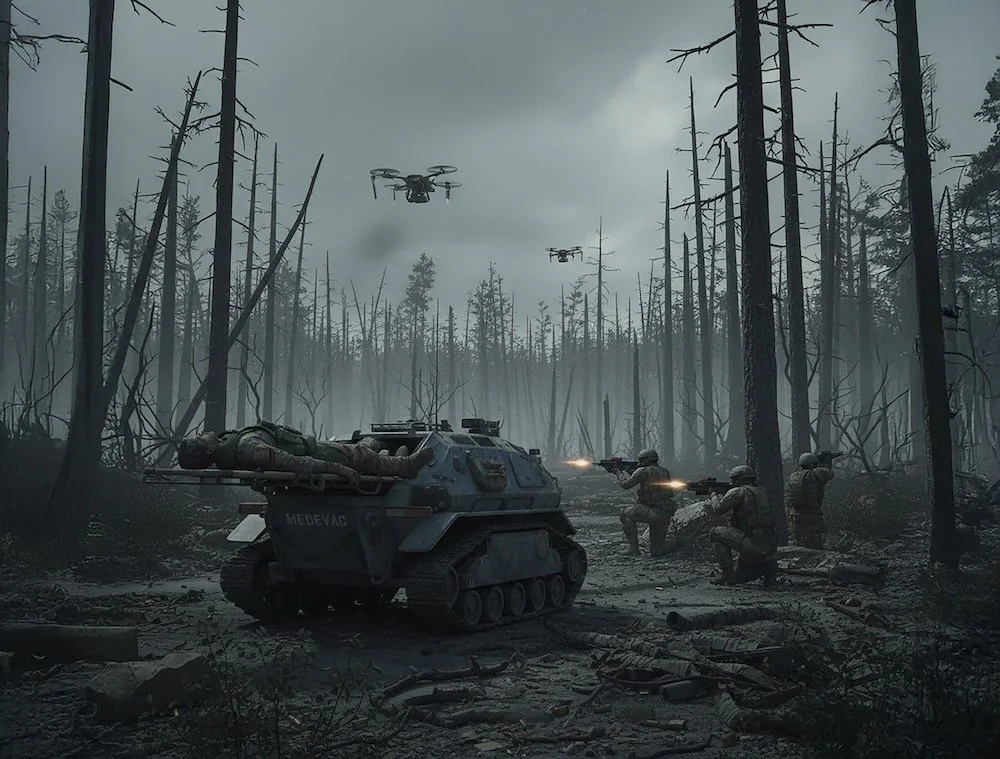
Robotics, Autonomy, and Remote CareRobotic and autonomous systems are already reshaping aspects of defence medicine, particularly in logistics and surgical support. Technologies originally developed for military robotics are now being adapted for medical applications, including robotic surgery, tele-operated procedures, and autonomous casualty evacuation platforms (1).
Uncrewed aerial systems are increasingly explored for medical logistics, enabling rapid delivery of blood products, pharmaceuticals, and diagnostic equipment to forward locations or isolated units. Research suggests that such systems can significantly reduce response times and improve survival rates in time-critical scenarios (10).
Over the next 15 years, autonomy is likely to extend further into clinical decision support and routine care delivery. While fully autonomous medical treatment remains ethically and technically complex, semi-autonomous systems that augment human clinicians are expected to become standard in deployed medical settings.
Innovation Diffusion and Organisational AdaptationTechnological advancement alone does not guarantee transformation. The effectiveness of future defence medical services will depend on their ability to adopt, integrate, and scale innovation across complex organisations. Studies of innovation diffusion within defence medical contexts highlight the importance of leadership, training, and cultural readiness in enabling change (6).
Simulation-based training, digital literacy, and interdisciplinary collaboration are increasingly recognised as critical enablers. Defence medical personnel must be comfortable operating at the intersection of clinical practice, data analysis, and advanced technology. Without sustained investment in workforce development, the benefits of emerging technologies risk being unevenly realised.
By the mid-2030s, successful defence medical organisations are likely to resemble hybrid institutions, combining clinical excellence with systems engineering, data science, and operational research capabilities.

Regulatory and Legal ConsiderationsAs defence medical technologies become more sophisticated and increasingly dual-use, regulatory complexity will continue to grow. Medical devices developed for defence applications must often comply with both civilian healthcare regulations and defence-specific security requirements. This creates challenges around certification, liability, and market access (2).
Emerging regulatory questions also surround the use of AI, autonomous systems, and data sharing across national and organisational boundaries. Regulators will need to adapt existing frameworks to accommodate technologies that blur traditional distinctions between medical devices, software, and military systems.
Over the next decade, closer collaboration between defence authorities, healthcare regulators, and industry is likely to be essential. Well-designed regulatory environments can act as enablers of innovation rather than barriers, providing clarity and confidence for developers and clinicians alike (2).
Civilian Spillover and Systemic ResilienceOne of the defining characteristics of defence medical innovation is its spillover into civilian healthcare. Historically, advances in trauma care, haemorrhage control, and rehabilitation developed for military use have transformed emergency medicine and surgical practice worldwide (4).
This pattern is expected to continue, particularly as health systems face increasing pressure from ageing populations, workforce shortages, and climate-related emergencies. Defence-origin technologies that enable care delivery in austere, resource-constrained environments are well suited to addressing these challenges.
By 2040, defence medical services may play an increasingly explicit role in national resilience planning, supporting civilian healthcare systems during crises through shared technology, training, and infrastructure.
Outlook to 2040Looking ahead to approximately 2040, several defining characteristics of future defence medical services can be anticipated.
First, DMS will operate as fully integrated digital ecosystems, combining clinical care, predictive analytics, and logistics into unified platforms. Second, autonomy and AI will be embedded across medical operations, augmenting human decision-making rather than replacing it. Third, personalised and predictive medicine will become central to force health protection, enabling tailored interventions based on individual risk profiles.
Finally, ethics and regulation will evolve alongside technology, providing clearer guidance on the use of AI, data, and autonomous systems in medical contexts. Defence medical services that successfully align innovation with governance will be best positioned to deliver both operational advantage and societal benefit.
ConclusionThe future of defence medical services is defined by convergence, integration, and foresight. As defence innovation increasingly intersects with medical technology, DMS will evolve from reactive support functions into proactive, data-driven health systems with global relevance.
Over the next 15 years, the successful defence medical organisations will be those that invest not only in technology, but in people, governance, and collaboration. In doing so, defence medical services will continue to save lives on operations while shaping the future of healthcare far beyond the battlefield.









References1. Ploughshare Innovations. (2023). Defence R&D and medical technology: More in common than you think. https://ploughshare.co.uk/defence-rd-and-medical-technology-more-in-common-than-you-think/
2. CMS Law. (2026). Medical technologies in defence and aerospace: Key themes and emerging questions in regulation. https://cms-lawnow.com/en/ealerts/2026/01/medical-technologies-in-defence-and-aerospace-key-themes-and-emerging-questions-in-regulation
3. Healthcare Digital. (2024). Defence medtech: A new market emerging combining defence innovation and medical technology. https://www.healthcare.digital/single-post/defence-medtech-new-market-emerging-combining-defence-innovation-and-medical-technology
4. Hospital Times. (2023). Military medtech: A much-needed lifeline for the NHS. https://hospitaltimes.co.uk/military-medtech-a-much-needed-lifeline-for-the-nhs/
5. Bricknell, M. (2023). The future of military medicine. BMJ Military Health, 169(e1), e68. https://militaryhealth.bmj.com/content/169/e1/e68
6. Mandatory Training. (2024). Diffusion of innovations for defence medical services. https://www.mandatorytraining.co.uk/blogs/health-social-care/diffusion-of-innovations-for-defence-medical-services
7. NRi Digital. (2021). Military medical technology. https://defence.nridigital.com/global_defence_technology_aug21/military_medical_technology
8. Line of Departure. (2025). Dual impact: Defence medical innovation. https://www.lineofdeparture.army.mil/journals/pulse-of-army-medicine/archive/july-2025/dual-impact/
9. National Center for Biotechnology Information. (2023). Ethical considerations in AI-enabled healthcare. https://pmc.ncbi.nlm.nih.gov/articles/PMC10550252/
10. ScienceDirect. (2025). Autonomous systems and medical logistics in defence healthcare. https://www.sciencedirect.com/science/article/pii/S0734975025001818